
People profile: Associate Director Lucy Durkan shares her interior design journey
People profile: Associate Director Lucy Durkan shares her interior design journey
Lucy Durkan came into the Chapman Taylor fold in 2022 with a particular focus on helping to grow our interior design capability in Manchester. In this profile, Lucy talks through her background and sector expertise and explains how her upbringing has shaped her approach to design.
Can you tell me a bit about your early life & career?
I have always been drawn to the creative world, though my path into interior design was not initially planned. From an early age, I was fascinated by pattern, texture, and colour, an interest that, in hindsight, was only reinforced by one of my first jobs in the wallpaper department at John Lewis. This passion for design led me to pursue an art foundation course at Manchester School of Art, where I explored a range of creative disciplines. During this time, I developed a deep appreciation for spatial design and its impact on people’s daily lives.
I studied interior design at Manchester Metropolitan University (MMU) and, after graduating in 2007, began my career at Pozzoni Architects. A year later, I joined Capita Symonds’ education team, where I worked on various BSF school projects. Navigating the challenges of the economic recession at the time, I was fortunate to work with a talented team and contribute to meaningful projects that shaped learning environments.
As my career evolved, I sought opportunities to expand my expertise beyond education design. I transitioned to Sheppard Robson, initially within their education team, before shifting my focus to the workplace sector. This progression ultimately led me to Chapman Taylor, where I continue to explore and develop innovative design solutions across multiple sectors.
What insights from your early career did you bring to Chapman Taylor?


Level 10, Office fitout, Orange Building MediaCity
My career in interior design began at Pozzoni Architecture, where I worked on specialist dementia care homes. This experience was eye-opening, as it gave me a deep understanding of how interior environments can directly impact wellbeing. Designing for individuals with dementia reinforced the importance of intuitive, supportive spaces that enhance comfort, reduce stress, and even improve life expectancy. It was here that I truly grasped the power of interior design in shaping human experiences.
This understanding naturally carried into my work within the education sector, where I developed a passion for designing spaces that foster learning, creativity, and well-being. For me, design is not just about creating a place—it’s about shaping an experience and telling a story, whether for an 8-year-old student or an 80-year-old resident.
Around ten years ago, my focus shifted to workplace design, and the principles I learned early in my career still influence my approach today. At Chapman Taylor, I have also had the opportunity to develop my expertise in the hospitality sector. While this may seem worlds apart from my early work in dementia care, the core design principle remains the same: creating environments that evoke an emotional connection. Understanding how a space makes people feel is at the heart of every project, whether it’s a workplace, a hotel, or a restaurant. By prioritising this human-centred approach, we can design authentic, sustainable spaces that enhance experiences and push the boundaries of what’s possible for the future.
What elements of interior design are essential to you?


BTR Residential Project, London
I’m passionate about delivering design with meaning. By grounding our decisions in strong concepts and narratives, we create spaces with clear intent, removing subjectivity and ensuring that every design choice has a purpose. These principles influence everything from spatial planning and material palettes to colour schemes and three-dimensional forms.
At its core, design must be functional. While aesthetics are important, a space must work for its users. Our focus is on creating resilient, sustainable, and inclusive environments that enhance wellbeing and leave a lasting impact. Every detail matters, from the overall architecture and spatial flow to the most minor tactile elements, like the material of a handrail. How people navigate a space, the availability of fresh air and natural light, and the seamless integration of technology shape how a space operates and makes people feel.
The environments we design have a profound effect on wellbeing. In workplace settings, for example, biophilic elements such as natural light, indoor greenery, and organic materials have been linked to increased productivity, improved mood, and reduced stress. Colour, too, plays a key role in influencing brain chemistry and emotional responses. Thoughtful design isn’t just about aesthetics; it’s about creating spaces that enhance how people feel and function within them, ensuring they are visually compelling, deeply intuitive, and impactful.
What exciting projects have you worked on?


Napoleons Casino, Leeds
Chapman Taylor is a design-led practice driven by creativity, collaboration, and a deep understanding of how people interact with the built environment. Our approach focuses on delivering innovative, high-quality spaces that enhance everyday experiences in residential, hospitality, workplace, or mixed-use developments. Since joining the practice in November 2022, I have had the opportunity to work on a diverse range of projects, applying this design philosophy across multiple sectors.
One of my most recent projects has been a Build-to-Rent (BTR) residential scheme in London, where I have led the interiors team from the concept design up to the development of Stage 4. This project has been an exciting opportunity to shape a high-quality living environment that balances private and communal spaces, ensuring a strong sense of community while maintaining a high standard of residential accommodation. Our design approach has focused on functionality, materiality, and the seamless integration of external terraces, creating a cohesive and thoughtfully curated living experience.
In the hospitality sector, I have worked on several F&B refurbishments for the casino brand Napoleon’s. This has been a fascinating process, allowing me to immerse myself in the brand, customer experience, and operational considerations that define a successful hospitality environment. From concept development to detailed design, the project has been about crafting an elevated yet welcoming space that enhances the overall casino experience.

BTR Residential Project, London
Beyond hospitality and residential, I have also worked on several workplace projects in the UK and internationally, contributing to schemes that align with contemporary working methods. One fascinating project is the refurbishment of Level 10 at Orange Tower in MediaCity, where we can respond to emerging workplace trends. This project reflects the evolving demands of the modern workplace, where flexibility, adaptability, and personality are key. The desire for informal yet highly functional environments has created dynamic, characterful spaces supporting agile working. The design enhances user experience and reinforces MediaCity’s potential as a hub for young, innovative, and forward-thinking businesses. We are incredibly proud that this project has been shortlisted for a BCO award, a testament to its success in redefining workplace environments.
Chapman Taylor’s diverse experience has allowed me to work across various sectors, reinforcing my belief in design as a tool for creating meaningful, user-focused environments. The practice’s emphasis on innovation, sustainability, and human-centric design continues to shape my professional journey, and I look forward to seeing these projects come to life.
What's the future direction for you and Chapman Taylor/what are you excited about?

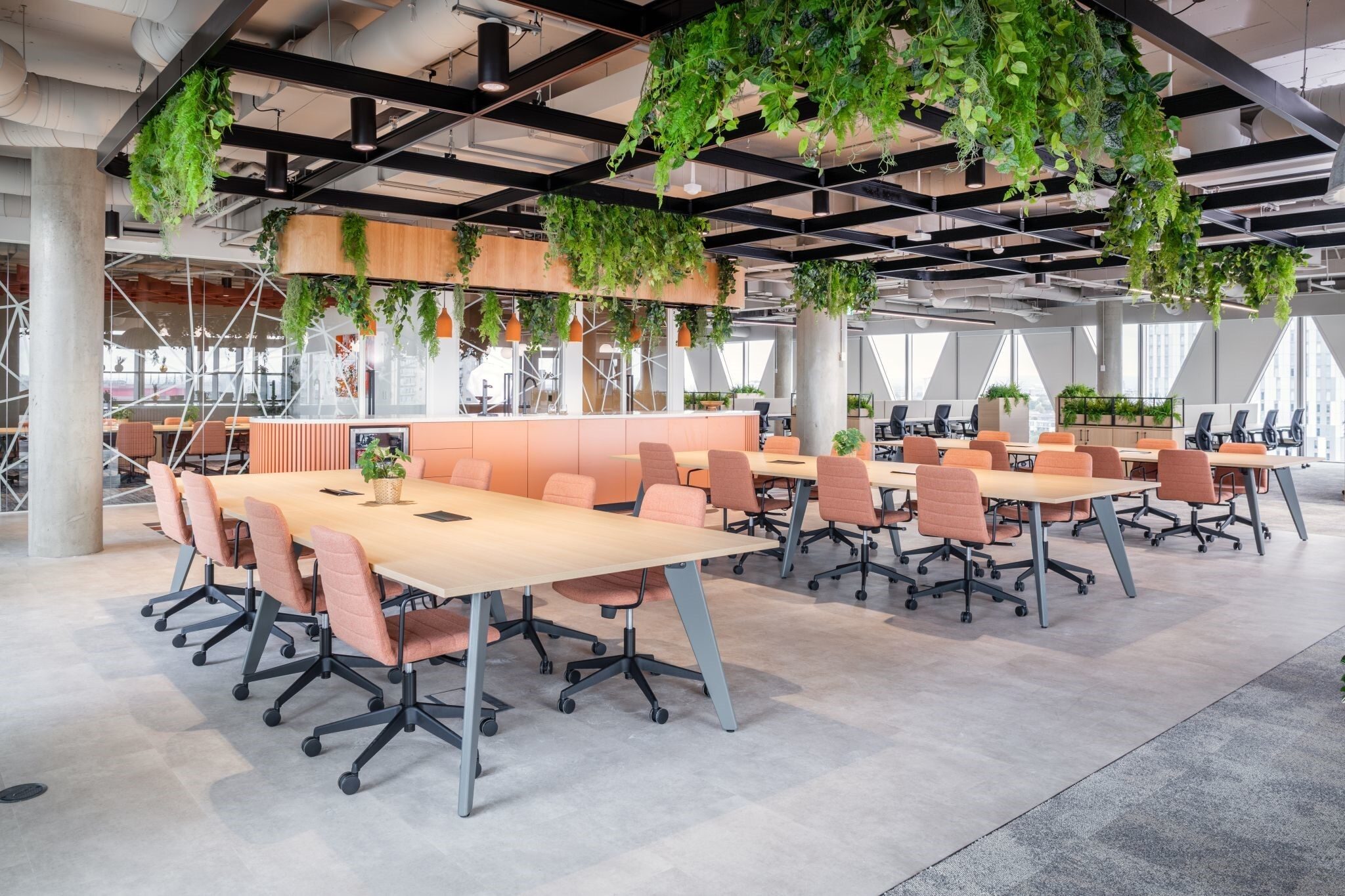
Level 10, Office fitout, Orange Building MediaCity
As an Associate Director at Chapman Taylor, I play a key role in shaping and driving the interior design vision across our projects. I work closely with our talented interiors team, providing guidance and creative direction to ensure each project reflects our studio’s design ambitions. Being part of this growing interiors team has been an incredibly rewarding experience, and I look forward to seeing it evolve further.

