
Prople profile: Associate Director Lucy Durkan shares her interior design journey
Lucy Durkan came into the Chapman Taylor fold in 2022 with a particular focus on helping to grow our interior design capability in Manchester. In this profile, Lucy talks through her background and sector expertise and explains how his upbringing has shaped her approach to design.
Can you tell me a bit about your early life & career?
I always knew I wanted to do something creative with my life, but I hadn't always planned to work in interior design. From a young age, I had a genuine interest and passion for the creative world, which I have always adored. One of my first jobs was working at John Lewis in their wallpaper department (not sure if that had anything to do with it!), and pattern, texture, and colour have always been my thing. After college, I did an art foundation course at the Manchester School of Art where, after exploring a range of creative disciplines, it became apparent that I love spaces and the thought of being able to design a scheme that could have the transformative power to inspire and enrich a person's everyday experience was what I wanted to do.
What insights from your early career did you bring to Chapman Taylor?
After working for over 17 years in the commercial interior design industry, I have seen the highs (and lows) this industry can bring.
After graduating in 2007, I got my first job designing specialist dementia care homes, which was fascinating, and following that, I went on to specialise in the education sector. I genuinely love designing spaces that can positively impact people; for me, it's not just about creating a place; it's that the place makes an experience and a story, whether you are eight years old or 80.
My career progressed into workplace design around ten years ago, and all this early experience is still a part of what I design today. Working at Chapman Taylor has also allowed me to develop my skills within the hospitality sector. Although this may sound like a stark contrast from the dementia care homes that I began with, I would say that the primary design principle behind all of my projects is imagining the emotional connection I want the visitors & users to have and by envisioning how we want someone to feel in a particular space comes first and foremost. This kind of design can help us create sustainable and authentic experiences for people who stand the test of time, pushing boundaries for the future.
What elements of interior design are essential to you?
Regarding design aesthetics, my preference is always drawn to Danish design influences and their simple, minimalistic functionality. This is represented in my home, which is a starting point for me to develop an open mind responsive to various design influences and inspirations. You need to consider vital elements in the design: light, colour, texture, and pattern. However, to create a successful scheme, you need to balance all of these elements along with an understanding of space and form and how people successfully move through and experience a building.
Travelling and culture are also crucial, and if you have the opportunity to immerse yourself in a new place and soak in the environment that surrounds you, it can provide so much inspiration, particularly when it comes to materiality and atmosphere and understanding how they make you feel a certain way.
What exciting projects have you worked on?
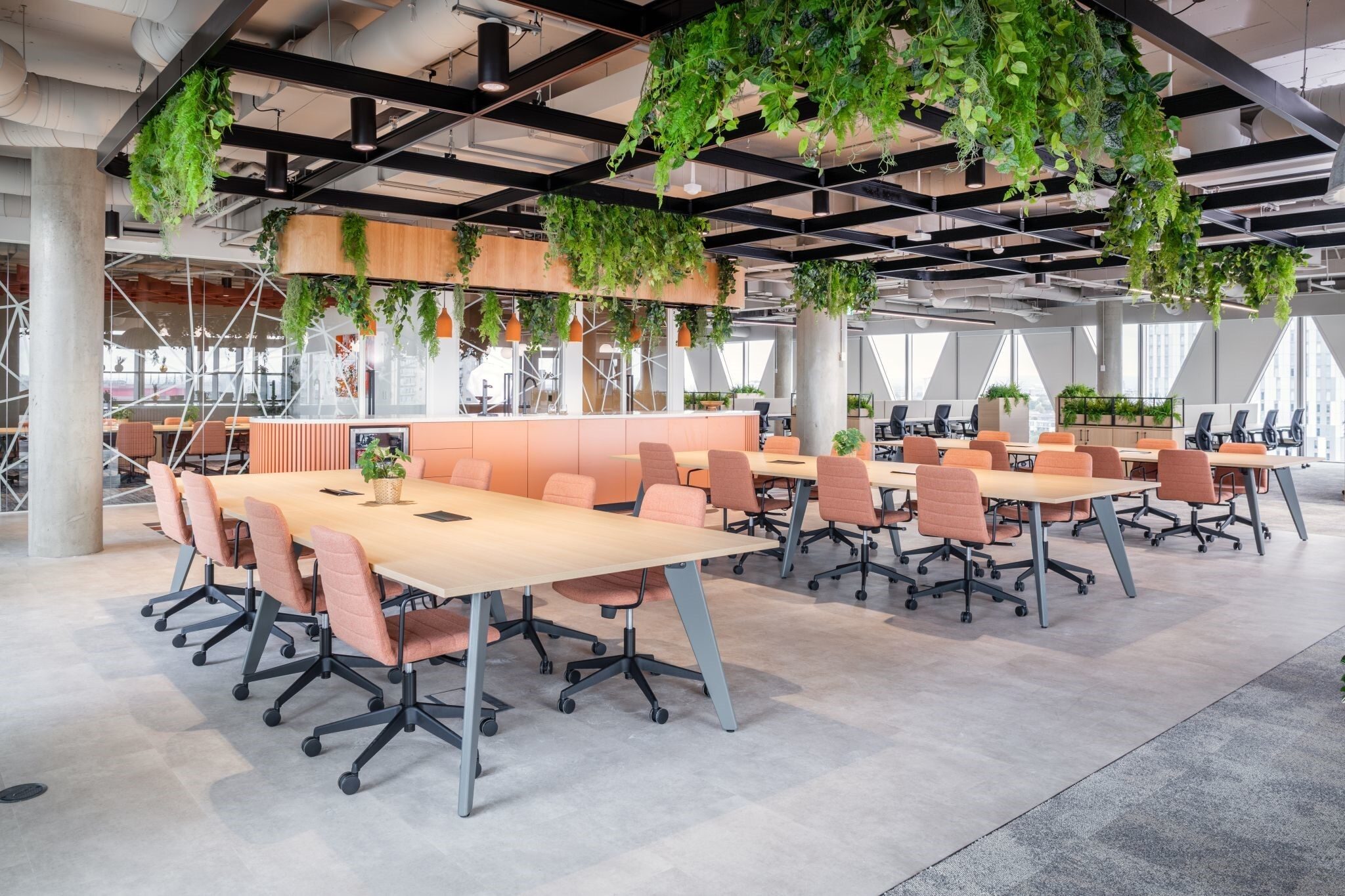
I joined the practice in November 2022 and have had some great experiences working in the workplace sector on schemes in the UK and overseas. We have just recently completed a fantastic workplace project (which, annoyingly, I can't talk about too much as it is under a strict NDA) where the client's energy and enthusiasm aligned well with our values, allowing us all the opportunity to contribute to an extraordinary project in a historic building. I've also had the chance to step out of my comfort zone and work on some great hospitality projects. After joining the studio, one of the first projects I worked on was for Napoleon's Casino, an exciting client. The project was focused on developing their F&B offering within the casino at their Leeds branch and it was right at the beginning of the process so that I could immerse myself in this brief, the brand and their customers. The project is on-site, and I can't wait for our vision to be actualized.
What's the future direction for you and Chapman Taylor/what are you excited about?
As an associate director at Chapman Taylor, I feel my primary responsibility is influencing, inspiring, and developing the interior design vision for every project radiating from the studio, guiding our talented team in Manchester. It would be incredible to watch this team expand in the future, ideally with a similar focus established in the Bristol and London studios.


Confidential high-end luxury residential project
While working for Pozzoni Architecture, my first job was designing specialist dementia care homes, which was fascinating. Gaining an in-depth understanding of what it is like to live with a condition such as dementia helped me understand how vital it is that our interior surroundings support our needs and how interior design can significantly affect people’s feelings and emotions.
In residential settings, interior design can reduce stress and promote relaxation, enhance life experiences, and, for those dealing with dementia, even lengthen life expectancy. This understanding fed into my work within the education sector, and I genuinely love designing spaces that can positively impact people. For me, it’s not just about creating a place; it’s that the place creates an experience and a story, whether you are 8 years old or 80.
My career progressed into workplace design around ten years ago, and all this early experience is still a part of what I design today. Working at Chapman Taylor has also allowed me to develop my skills within the hospitality sector. Although this may sound like a stark contrast from the dementia care homes that I began with, I would say that the primary design principle behind all of my projects is imagining the emotional connection I want the visitors & users to have and by envisioning how we want someone to feel in a particular space comes first and foremost. This design can help us create sustainable and authentic experiences for people who stand the test of time, pushing boundaries for the future.
What elements of interior design are essential to you?


BTR Residential Project, London
Regarding design aesthetics, my preference is always drawn to Danish design influences and their simple, minimalistic functionality. My home represents this as a starting point for developing an open mind responsive to various design influences and inspirations. You need to consider vital elements in the design: light, colour, texture, and pattern. However, to create a successful scheme, you need to balance all of these elements along with an understanding of space and form and how people successfully move through and experience a building.
Travelling and culture are also crucial. If you can immerse yourself in a new place and soak in the surrounding environment, it can provide so much inspiration, particularly regarding materiality and atmosphere and understanding how they make you feel a certain way.
What exciting projects have you worked on?


Bridge House, MediaCity, Salford
I joined the practice in November 2022 and have had some great experiences working in the workplace sector on schemes in the UK and overseas. We have recently completed a fantastic workplace project (which I can't talk about too much as it is under a strict NDA) where the client's energy and enthusiasm aligned well with our values, allowing us all the opportunity to contribute to an extraordinary project in a historic building.
I’ve also stepped out of my comfort zone and worked on great hospitality projects. After joining the studio, one of the first projects I worked on was for Napoleon's Casino, an exciting client. The project was focused on developing their F&B offering within the casino at their Leeds branch, and it was right at the beginning of the process so that I could immerse myself in this brief, the brand, and their customers. The project is currently onsite, and I can’t wait for our vision to be actualised.
Earlier this year, I had the opportunity to work on a high-end luxury residential project for a home-based in the UK. Unfortunately, I can’t say much about this project as it is subject to another strict NDA. Still, it was a fantastic opportunity to explore a new sector and work closely with a client with a clear vision of how they wanted to live with their family. The timber home, constructed from glulam, featured some impressive key spaces, open-plan living, and double-height exposed ceilings, allowing for the opportunity to celebrate the architecture of this exceptional building.

BTR Residential Project, London
I joined the practice in November 2022 and have had some great experiences working in the workplace sector on schemes in the UK and overseas. We have recently completed a fantastic workplace project (which I can't talk about too much as it is under a strict NDA) where the client's energy and enthusiasm aligned well with our values, allowing us all the opportunity to contribute to an extraordinary project in a historic building.
Chapman Taylor also has close connections with MediaCity, Salford, and it has been great working with Peel in particular, winning a design competition in mid-2023 to redevelop Bridge House, one of the key buildings along the MediaCity waterfront. With an emphasis on community and responsible design, Peel wanted to redefine Bridge House, making a new destination for MediaCity that will enhance the already thriving community.
I’ve also stepped out of my comfort zone and worked on great hospitality projects. After joining the studio, one of the first projects I worked on was for Napoleon's Casino, an exciting client. The project was focused on developing their F&B offering within the casino at their Leeds branch, and it was right at the beginning of the process so that I could immerse myself in this brief, the brand, and their customers. The project is currently onsite, and I can’t wait for our vision to be actualised.
Earlier this year, I had the opportunity to work on a high-end luxury residential project for a home-based in the UK. Unfortunately, I can’t say much about this project as it is subject to another strict NDA. Still, it was a fantastic opportunity to explore a new sector and work closely with a client with a clear vision of how they wanted to live with their family. The timber home, constructed from glulam, featured some impressive key spaces, open-plan living, and double-height exposed ceilings, allowing for the opportunity to celebrate the architecture of this very special building.
I have recently started working on an exciting Build-to-Rent apartment scheme based in Greenwich, London. The interiors team and I are currently developing the concept design and narrative, and it has been great getting involved and understanding the client’s vision for the project, which includes providing private and communal amenity space and apartments designed to deliver high-quality residential accommodation with access to communal external terraces.
What's the future direction for you and Chapman Taylor/what are you excited about?

Confidential high-end luxury residential project
Although I am still relatively new to the practice, the last year or so has been fantastic, and I am proud to be part of this growing interiors team. As an Associate Director at Chapman Taylor, my primary responsibility is influencing, inspiring, and developing the interior design vision for every project radiating from the studio, guiding our talented team in Manchester. It would be incredible to watch this team expand in the future, ideally with a similar focus established in the Bristol and London studios.

